PianistAko Heide Abot Youtube profile PianistAko Heide Abot Google plus profile PianistAko Heide Abot Piano Files profile PianistAko Heide Abot Facebook profile PianistAko Heide Abot Twitter profile Subscribe to PianistAkOnline

Learn how to play the piano, read
notes, and other piano basics

Piano Lesson No. 1a: Hand Position

I HAVE TWO HANDS the LEFT and the RIGHT...
at dahil kamay ang ginagamit para ma-play natin ang piano, bigyan natin sila ng assignment: Hand Positioning / Piano Fingering


ano yan?! wala naman, it's just that it will be a lot easier to play the piano if you know the right and comfortable positions of your hands in playing the keys at para hindi magkarambola at magbuhol-buhol ang daliri mo kung tutugtog ka na sa piano habang nagbabasa ng piyesa.


kung tutuusin sa umpisa lang naman kailangan ito... sa mga beginners talaga especially kids. in case you'd notice sa mga piano exercises for beginners may numbers sa ibabaw ng mga notes, ginagamit lang yun to indicate which finger(s) ang gagamitin to play certain notes. although meron pa rin mangilan-ilan na piano sheet music for advanced piano players na may fingering numbers pero some parts lang naman ng piece... more on guide lang naman yun... pero kapag may one-on-one piano lesson ka with a piano teacher nakuuuuu you have to follow the fingerings provided sa piano exercises or else... lagot! hala! ^_^v


since our hands are symmetric, we'll use number on each finger, thumb being the first finger on each hand...


figure 1a.1


hand's position: hands should feel na parang may hawak kang tennis ball or stress ball or kahit anong bilog na bagay na pwedeng mahawakan ng isang kamay mo... yung sakto lang... mag-imagine ka... yun yun! dapat naka-curve ng konti ( maliban sa thumb - let it simply lay on its side because of its particular position. wag mo siyang pilitin ganun talaga normal niya... hehe =p ). when you curve your fingers, curve it in such a way na yung lahat ng tips of your fingers eh pantay at nakalapat sa straight surface. 'wag tigasan, 'wag panggigilan ang mga daliri, relax lang. ^_^v


enough of this hand position. let's now go to the next step... Piano Lesson no. 1b: Name that Keys


PianistAkOnline Heide Abot Youtube profile PianistAkOnline Heide Abot Facebook profile PianistAkOnline Heide Abot Twitter profile

if you liked this post feel free to share...
c'mon don't be shy :)

Piano Lesson No. 3a: Piano Playing: Right Hand

woohoo... so, you already know what is a staff, what are the different types of notes, how to locate the keys, what are the pitch names of each key, how to read notes, blah blah blah wow dami nang alam ah... :) so for our next topic, let me guide you on how to read those notes while playing them on piano using your left hand, right hand and both hands...

but first let's review the Notes and Rests

Figure 3a.1.a
Notes and Rests


madali naman sigurong tandaan ang mga notes and rests na ito and its equivalent count values. always remember that nakasalalay sa time signature kung ilan ang total number of count values or beats in a given measure regardless of the number of notes and types of notes, combination of notes and rests present basta ang total count nila dapat eh based sa hiningi ng time signature...

for instance:

figure 3a.1.b


time signature is 4/4 which means there 4 beats in a measure, quarter note receiving that one beat. or you could just simply interpret it as a measure having a total count value of 4. so kahit paghaluhaluin mo yung rests/notes if you get their sum, the total should be 4 (in each measure yan unless there's a change in time signature.... just substitute the symbols from notes to rests, same din ng gagawin) ayos?! let's now start on how to play the piano....


RIGHT HAND FIRST
bago yan... let's begin playing the piano using piano fingering.

Figure 3a.2.


note:
piano fingering refers to finger placement and the finger techniques used to play the piano. on the other hand, fingered piano music marks each note with number that corresponds to one of the five fingers... at maraming nalilito dito kasi depende sa naging approach ng piano teachers ( i don't know paano nila tinuturo yun sa students nila... i'm curious though hahaha ) but madalas, the numbers that you see on a given sheet music are intended for you to know which finger you'll use on a certain note, not a number corresponding to a certain key.... ( example hindi ganito: note C = finger no. 1; note D = finger no. 2; note E = finger no. 3; note F = finger no. 4; note G = finger no. 5 eh paano na yung note A, B and C anong finger pa gagamitin doon? toes?! hahaha nakooooo just follow the picture above figure 3.1.a ganyan dapat! starting from number 1 on both your right/left thumb )


Question: why do i need to know all of these?
Answer:
hindi porket may idea ka na kung paano basahin ang piyesa, eh kaagad-agad mo itong matutugtog. 'wag masyadong excited! lelz kung gusto mong matuto ( kahit in a short span of time ), eh mejo kelangan mo talaga magtiyaga. so, mabalik ako sa tanong bakit mo ito kailangan malaman, bakit kelangan pang gamitin ang piano fingering?! for your hand coordination. it enables your fingers to execute new techniques, master awkward positions, and exercise speed and flexibility. it keeps your hands in the correct position and prevents you from losing your place on the keyboard. mejo sa una talaga nakakatamad, nakakapagod, paulit-ulit grrrrrr.... well, practicing fingering may seem tedious but stick with it, your fingers will adjust quickly.


alam mo bang ang daming nahihirapan pasunurin ang mga daliri nila sa pagtugtog ng piano hahaha... lalo na kung mejo hindi mo ito nasimulan i-train noong bata ka pa... kaya kelangan natin itong isa-isahin para masanay na ang mga daliri mo sa pagtugtog ng piyesa at hindi papindot-pindot ng paisa-isa na parang nagta-type sa typewriter or pc keyboard. aba isipin mo nalang if paisa-isa mong ipi-play ang song na paano na kaya ni bugoy... for sure 3010 na bago mo matapos yon... kaya sumunod ka nalang, magbasa at namnamin ang lahat ng ito :) alright go!


Note: for starters, when reading a music sheet or piano piece, ALWAYS start looking for the CLEF being used, KEY SIGNATURE, TIME SIGNATURE. also note that when you can't see a written TIME SIGNATURE after the CLEF symbol understood kung ano yung time signature na nakalagay at the beginning of the staff yun ang gagamitin... not unless nabago ang TIME SIGNATURE as you play along the piece... kung walang nabago eh 'di masusunod parin ang unang clef symbol na nakita mo from the beginning ng piece... then locate your MIDDLE C sa piano. with the correct posture and hand position play the note as you read them going to your right... parang nagbabasa ka ng libro... pa-kanan din ang pagbasa ng piyesa. kahit japanese ka pa... going to your right pa rin ang pagbabasa ng notes... hehehe no exceptions! :)


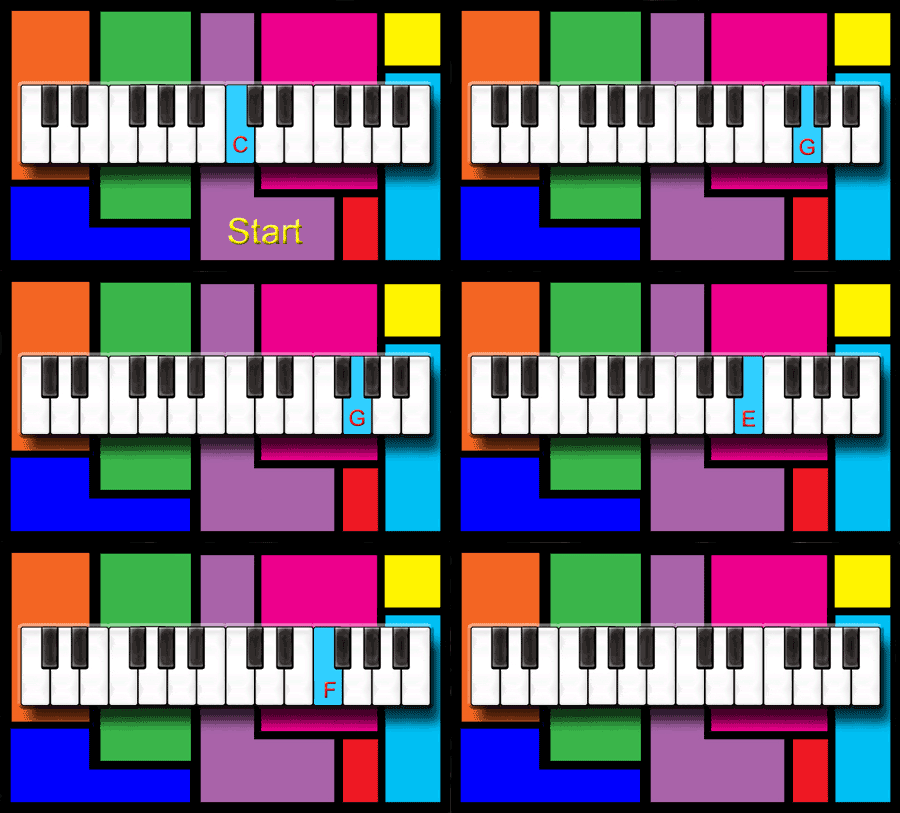
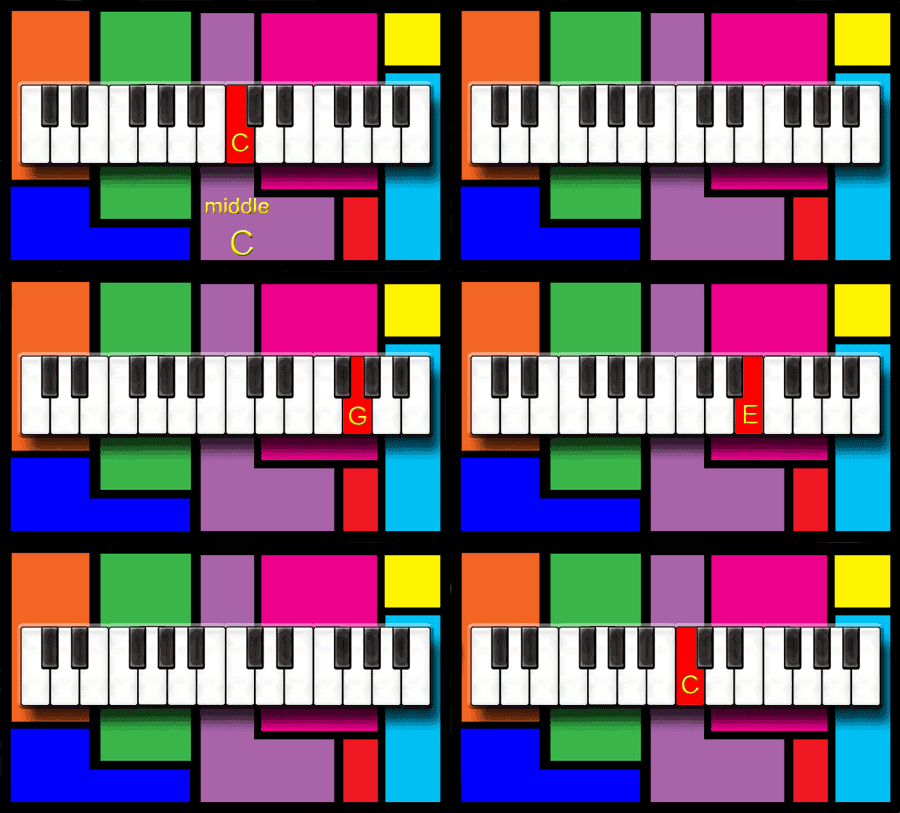
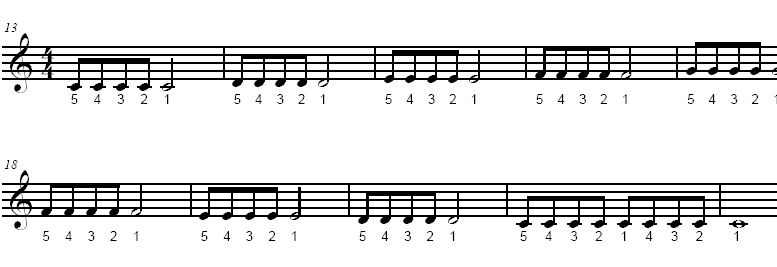
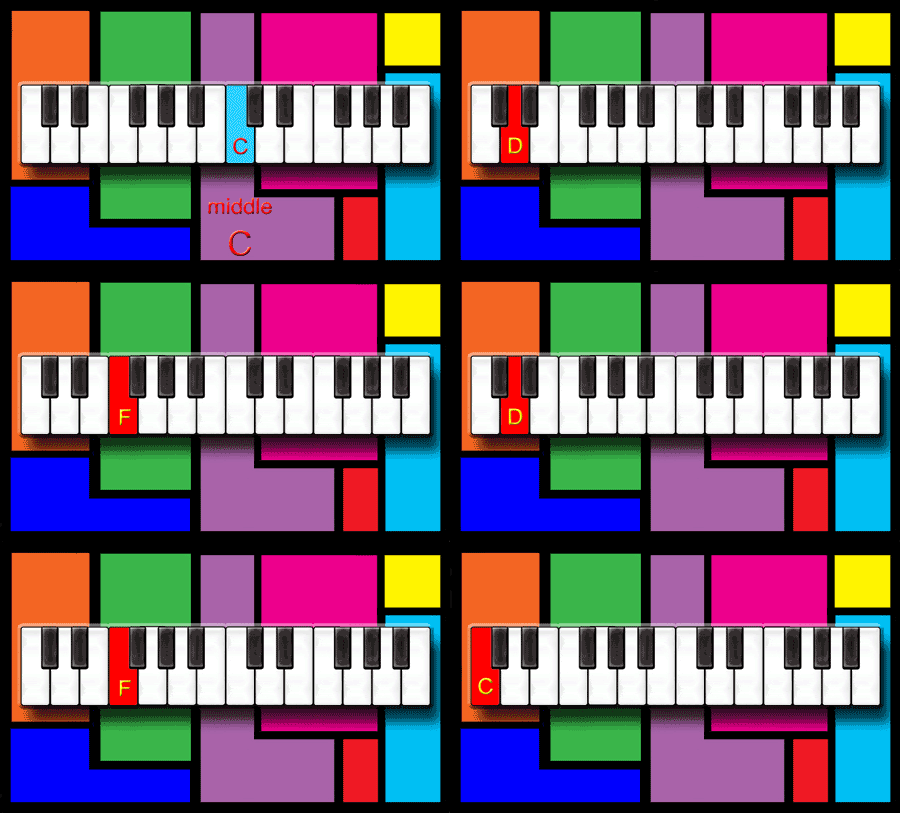
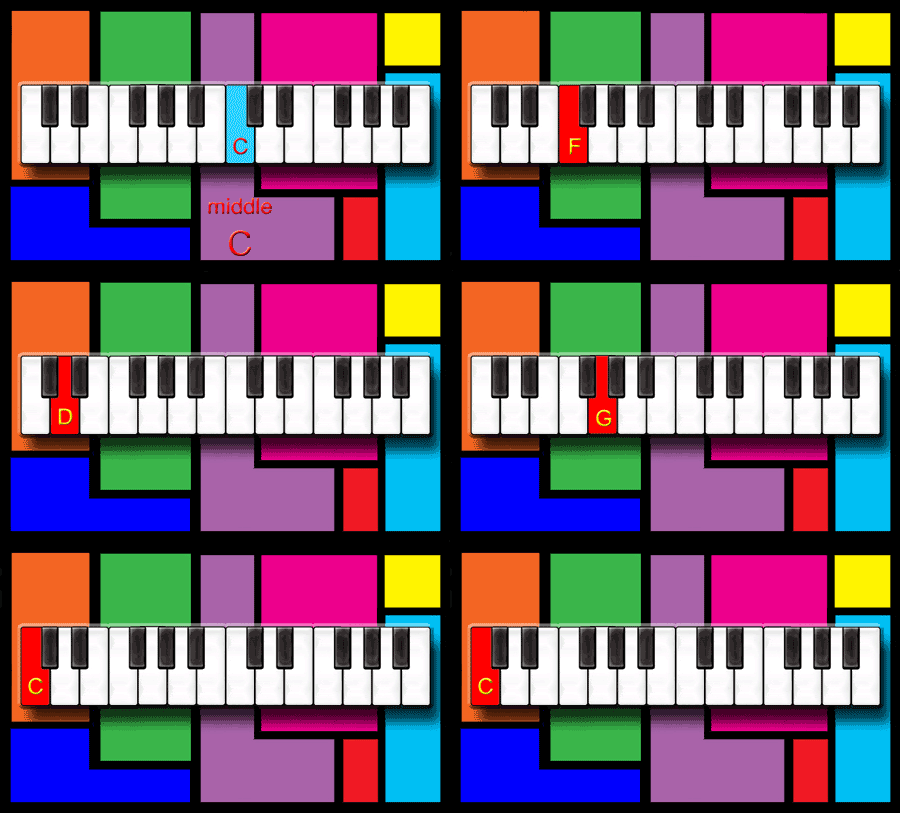
the notes are played by using your finger(s), pressing a key and counting the beats as you play (counting the duration equivalent of that certain note before playing another key). Try to relax when you are playing and be prepared to play everything at a snail's pace until you and your fingers are ready to move on. do try to observe the .gif that i've provided on each exercises to see kung tama nga yung notes na tinutugtog mo sa piano.


EXERCISES

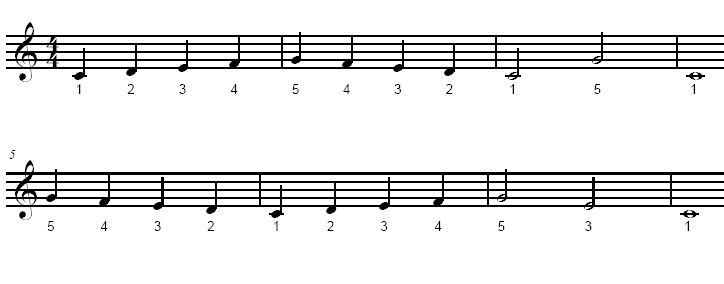
Figure 3a.3.a
(click the picture to view the whole piano excercise)


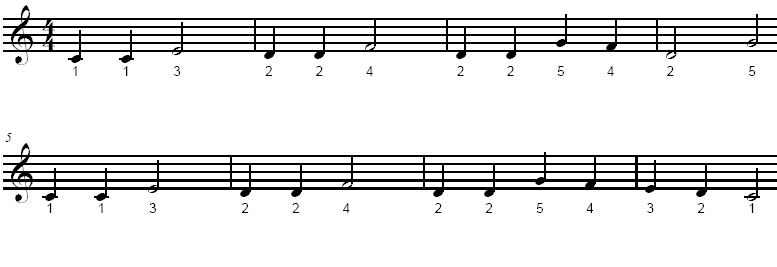
Figure 3a.3.b
(click the picture to view the whole piano exercise)


note:
please note that your five fingers are not limited to playing only the same notes per finger (1=C 2=D 3=E 4=F 5=G hindi ganyan ang meaning nung mga numbers huh....) don't get confused... kaya nga fingering... hindi porket 2 ang nakalagay sa RE or D note eh laging finger number 2 lang ang pdeng gamitin... pdeng paiba-ibang fingers depende sa kung ano ang naka-indicate sa piyesa... nasa-isip lang ang pag-count ng beats while you use your fingers to play them. also, 'wag kang mandaya in playing these sample exercises.  hindi naman ako ang dinadaya mo kundi sarili mo... hehehehe you want to learn so follow these things na nilagay ko or better yet do your own lesson na lang... okie?!?! ^_^v


for instance:

Figure 3a.3.c
( click the picture to view the whole exercise )


just keep on practicing especially yung proper piano fingering... dahil magagamit mo yan kung maka-encounter ka ng piano piece na may numbers sa notes and para masanay din gumalaw-galaw ang mga daliri mo habang hindi mo pa kinakailangang gumamit ng flanax nyhahhahaha ^_^v


kung okay na si right hand... we'll now move on to the next... Piano Lesson No. 3b: Piano Playing: Left Hand


PianistAkOnline Heide Abot Youtube profile PianistAkOnline Heide Abot Facebook profile PianistAkOnline Heide Abot Twitter profile

if you liked this post feel free to share...
c'mon don't be shy :)

Piano Lesson No. 3b: Piano Playing: Left Hand

now that you've already practiced playing with your right hand, let's now go sa left hand naman... based on experience, it's really easier to train your right hand than left hand. lalo na kung piano fingering... naku... tsk tsk tsk kaya dito palang pagalawin mo ng hustong-husto ang mga daliri mo sa kaliwang kamay nang sagayon eh magkasundo sila ni right hand para sa next topic.... (siyakkkneesss tagalog lulz) :p


LEFT HAND, YOUR TURN
usually the accompaniment { accompaniment is the part/s that plays along the with the main musical part }, arpeggios { an arpeggio is a succession of chord tones or simply where the notes are played in sequence }, improvisation { improvisation means a one-time creation, never to be repeated in exactly the same form } are played with the left hand. it provides harmony and rhythm for the right hand which is to play the melody. minsan prominent ang music na ginagawa ni left hand pero sa totoong buhay eh supporting role lang talaga ito para sa melody na ginagawa naman ng right hand... but that doesn't mean na hindi na mahalaga ang papel nila sa mundo ng accompaniment... :)

so, to start... remember the piano fingering assignment... this time for your left hand... starting from your pinkie going to your thumb, it'll be numbered 5-4-3-2-1

Figure 3b.1


remember to play the notes with the correct fingering... training ito for your fingers na somehow eh mapasunod mo siya sa gustong mong mangyari hehehe in this case, reading a piano score... :) be sure to check the notes that you're playing... tandaan left hand na ito, bass staff na yang nakikita mo so iba na ang position nito sa piano... review Lesson No. 1: Name that Keys and Lesson No. 2: Reading Notes if you're kinda confused about the Treble Clef and Bass Clef, the position of the notes on piano and how to read it...


eto payong tao lang: 'wag ka na mandaya hindi ko naman makikita eh... kung hindi mo mapapasunod ang mga daliri mo habang nagbabasa ng notes, sinasabi ko sa'yo ngayon palang, aabutin ka ng year 5010 hehehe kaya just apply everything na nilalagay ko dito... or better yet, hanap ka nalang ng ibang piano tutorials online (karamihan may bayad o kaya masyadong deep ang pagkaka-explain lulz joke... bleh~) :p be patient... "okay lang magkamali basta 'wag mandaya... 'di baleng mabagal basta tama" uy rhyme.. pwede nang gawing motto! lulz basta practice! sabi nga sa tagline ng milo "great things start from small beginnings..." kaya start ka na ngayon... ang purpose mo is magkaroon ng coordination between your hands and your eyesight.. concentrate ng bonggang-bongga! okie so go practice your fingers!!!!


EXERCISES


Figure 3b.2.a
( click the picture to view the whole exercise )


Figure 3b.2.b
( click the picture to view the whole exercise )


Figure 3b.2.c
( click the picture to view the whole exercise )


Note: again for this part Figure 3b.2.c, try to follow the fingerings... using all your fingers playing the same note ie. your pinkie first then ring finger then middle finger, forefinger then thumb... counting the correct note value as you go throughout this exercise...


finished?! whooaaahhhh just remember that hindi mo kailangan magpakaloka ng husto, na kelangan makuha mo kagad in an instant ang gustong iparating ng isang piyesa as a whole (not unless na may recital ka hehehe kelangan perpekto yun! bawal ang mistakes) pero kung baguhan ka palang at self-taught tulad ng marami dyan, all you need to do is PRACTICE ng bonggang bongga at PATIENCE!!! learning how to play the piano is not an overnight thing. for people like me who spent years in studying/learning how to play the piano, still, we don't stop ourselves from learning... kahit ako kelangan kong tugtugin ng maraming beses ang isang piyesa kung gusto ko matugtog ng tama. kaya kahit asar na asar ka na dahil ayaw sumunod ng daliri mo eh just enjoy while doing so... baka tumanda ka kagad dahil lang dito... ehehehe it's not too late.. hanggang gusto mo matuto, eh di go! go! go! :)


next up.....Piano Lesson No. 3c: Piano Playing: Both Hands


PianistAkOnline Heide Abot Youtube profile PianistAkOnline Heide Abot Facebook profile PianistAkOnline Heide Abot Twitter profile

if you liked this post feel free to share...
c'mon don't be shy :)